The Power of the Pause
In a world of constant noise and overload, the pause is a powerful teaching tool. Discover how intentional pausing creates clarity, reduces cognitive overwhelm, and deepens student learning.
(January Edition for teachers and students)
Late January in teaching feels like having too many tabs open, and none of them loading fast enough.
Right now, looks like this: midterm grades to finalize, semester grades due, course recommendations for next year, student reports to respond to, a flood of emails, students asking, “What can I still do?”
…and somehow I still need to figure out what’s for dinner.
Nothing feels fully finished, and sometimes we try and carry the weight of the world for our students.
My brain was feeling like an overloaded laptop — cluttered, overheating, and one click away from freezing.
So I paused.
I took out my notebook, flipped to a fresh page, and jotted down a few “tabs” I knew I needed to reopen later. The tasks that actually mattered. Then I closed everything else. Literally and mentally. Just for the moment.
That pause didn’t fix everything…
but it made the day feel doable.
What is the Power of the Pause?
The power of the pause is the intentional act of slowing down, mentally or physically, to reduce overload, regain clarity, and make learning (and teaching) more effective. It’s not stopping; it’s creating space to move forward with purpose.
What the pause looked like in my classroom
I looked at my lesson plan, paused, and asked myself one question: what do I want students to actually be able to do by the end of class? The answer was to be able to narrate in the past. Nothing fancy. I pre-taught 5 vocabulary words, and we made up simple actions for each together. Then we played a game: students stood back-to-back as I told a short story about my favorite toy as a child. Every time a vocabulary word came up, they jumped around to face each other, did the action, and high-fived.
The story was simple:
When I was little, I wanted one special toy, a box of crayons with a sharpener. I was so excited when I got it. However, that feeling turned into disappointment when I realized it didn’t perfectly sharpen the crayons to a point and that it messed up the paper around the crayon. Yet still, I remember the moment with affection because it taught me that sometimes we idealize the things that in reality can be different, even when they are as simple as crayons. Now the memory makes me smile since I still love coloring with sharp, pointy, brand-new crayons.
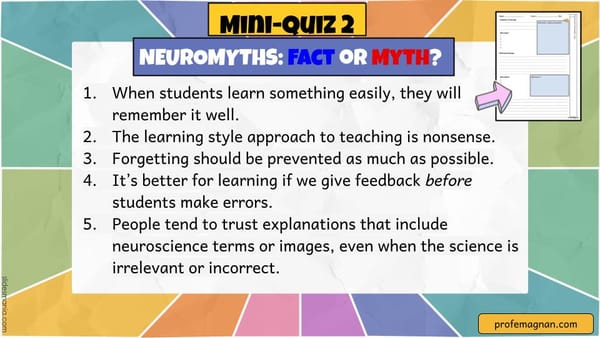
When I finished the story, we paused again for a quick, low-stakes “mini-quiz.” Students responded to five true-or-false statements about the story: if it was true, they grabbed the marker; if it was false, they let it be.
After that came retrieval. Students worked together to retell the story using the words and actions.
They could.
Then it was their turn. Keeping it simple, the students found a picture of themselves when they were younger and an image of their favorite toy, one they had or one they wished they had. The next day, they speed-interviewed each other with their slide with the two images, and at the end, presented their partner’s story.
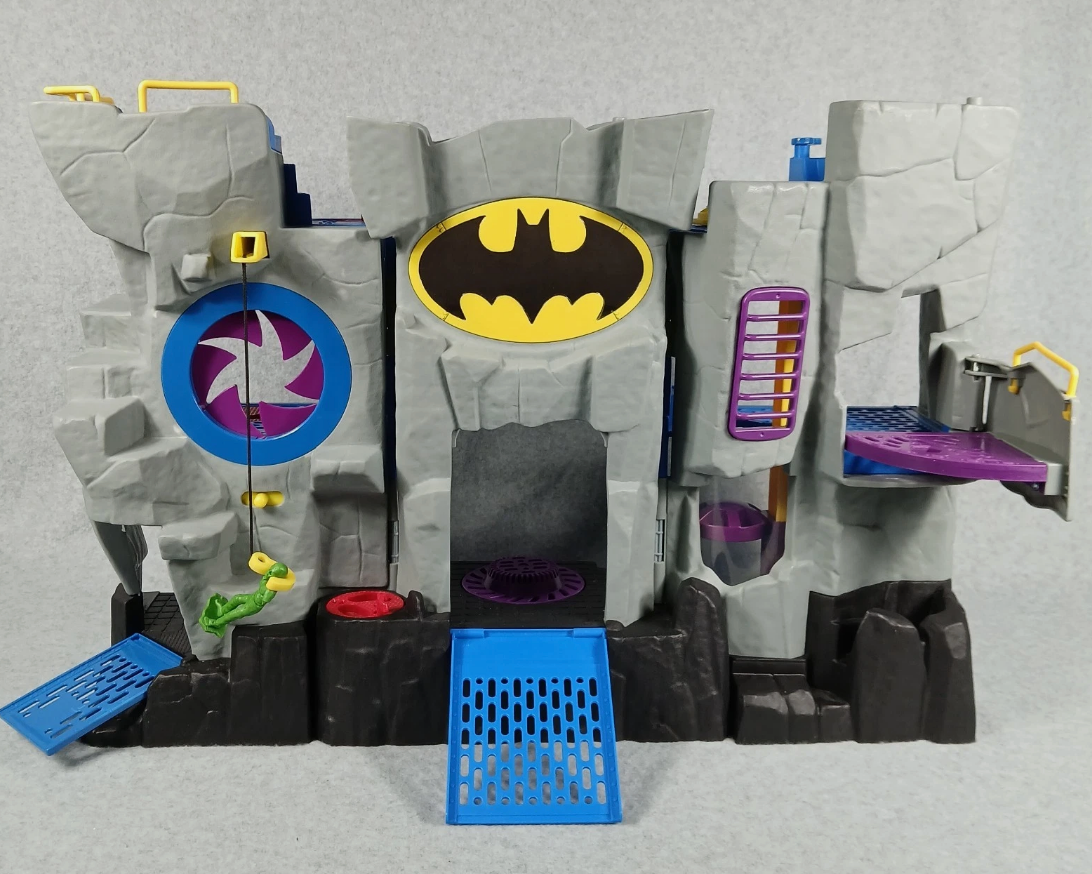
It was joyful and particularly loud and animated when several students realized their dream toy had been the Batman cave, yet it remained deeply focused.
Afterward, we sat down, and students chose what to retell: my story, their partner’s, or their own, using the same high-frequency words. And they could because we had made space before asking for output.
That’s when it clicked for me again: the pause wasn't about stopping productivity. It was about creating the conditions for it.
Pausing helped me decide what could wait.
Pausing helped my students move before they focused.
Pausing replaced overwhelm with clarity.
Why pausing matters
- Teaching cycles peak in late January (grading, recommendations, reports, lesson planning)
- Cognitive overload reduces decision-making and focus
- Students also need pauses to process language and content
- Simplicity improves follow-through and learning transfer
- Pausing models regulation and prioritization for students
- Pauses create space to reassess goals and refocus on what actually matters.
How to do it
Step 1: Name the overload
Acknowledge the “too many tabs open” feeling: emails, grading, reports, planning.
Step 2: Externalize the brain
Write down the tasks that actually need to be revisited later.
Step 3: Close the rest
Literally close browser tabs. Mentally close unnecessary decisions.
Step 4: Pause before pushing
In class, slow down input before expecting output with movement, actions, storytelling.
Step 5: Then refocus
After the pause, return to quiet, focused work (writing, reflection, retrieval).
Research highlights
- Pauses reduce cognitive load and support working memory
- Movement supports language retention and comprehension
- Retrieval strengthens learning when students aren’t overwhelmed
- Simplicity reduces burnout and increases completion
FAQ
Is pausing the same as losing instructional time?
No, pauses increase efficiency by improving focus and retention.
Can pauses be loud or active?
Yes. Movement-based pauses can be especially effective for language learning.
Does this work with older and younger students?
Absolutely. Littles up to adults benefit just as much from cognitive and emotional regulation.
How long should a pause be?
Sometimes 30 seconds. Sometimes a full activity. It’s about intention, not length.
What if I don’t have time to pause?
That’s usually when you need it most.
Is this SEL or academics?
Both. Regulation supports academic learning.
Can this help teacher overwhelm too?
Yes. Pauses help teachers prioritize and reduce mental clutter.
Late January doesn’t need more hustle. It needs fewer tabs, clearer priorities, and permission to slow down long enough to move forward with intention.
Sometimes the most productive thing we can do, in teaching and life, is pause. Here's to figuring out what to make for dinner.
May the PAUSE be with you. ✨