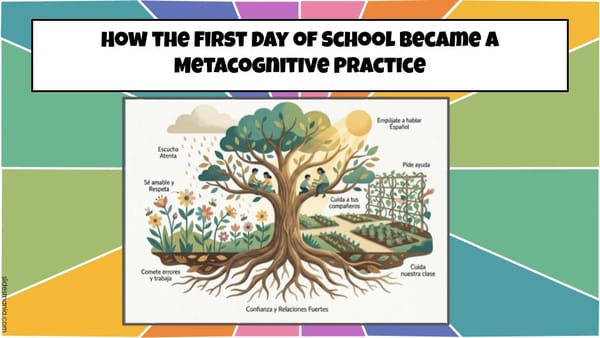
How the First Day of School Became a Metacognitive Practice
Students don't just need to show what they know — they need to notice how they learn. A co-created first-week routine that replaced the syllabus.

Students don't just need to show what they know — they need to notice how they learn. A co-created first-week routine that replaced the syllabus.
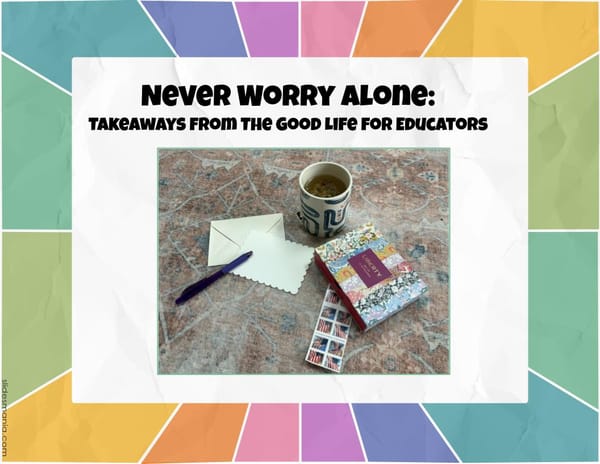
Every time I teach this course, I think I know where it will go — and every time, I'm off. A few lessons from this summer's Good Life for Educators cohort, carried into the new school year.
A science-of-learning reflection on perfectionism, retrieval practice, self-compassion, and ending the school year well.
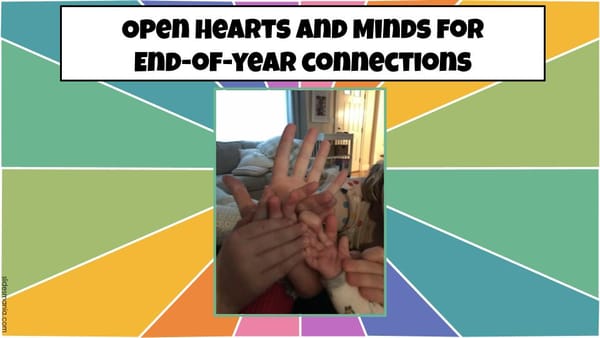
At the end of the school year, reflection can become retrieval helping teachers and students notice growth, remember connection, and carry learning forward.
It’s that strange time of year when everyone reminds me that summer is almost here and the school year is winding down… and yet, when I sit down to plan, the end doesn’t feel close at all. The class periods feel long and my mind feels scattered. I
After watching the same three students contribute every time, I rebuilt Write & Discuss from the ground up. Here's the step-by-step routine—rooted in UDL and cognitive load research—that finally got my entire class co-creating text together.

Spring, seniors, and 80 minutes to fill — here's what I learned about designing for attention using UDL and the science of cognitive load.
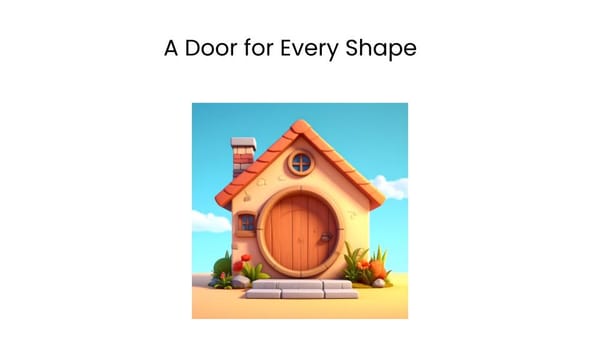
What if the barrier was never the learner, but the design? A three-part UDL lesson that gets students thinking about how we build spaces that work for everyone, starting with a round door and a room full of shapes.
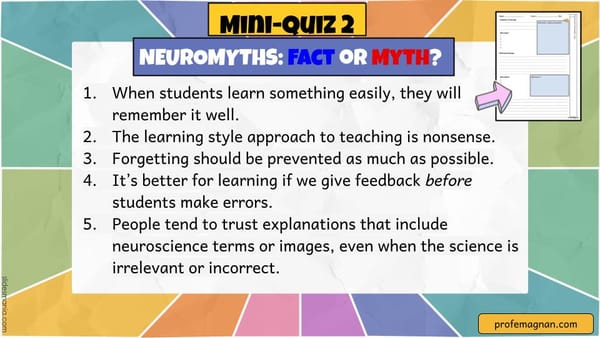
From learning styles to "easy means learned," these five teaching myths feel true — but the research says otherwise. Here's what cognitive science actually proves, and simple classroom strategies that work.
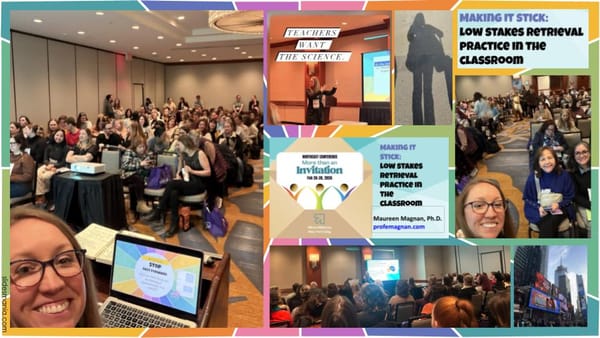
What if forgetting isn't the problem — it's the setup? A recap of my NECTFL session on retrieval practice, spaced learning, and why the struggle to remember is exactly where learning happens.
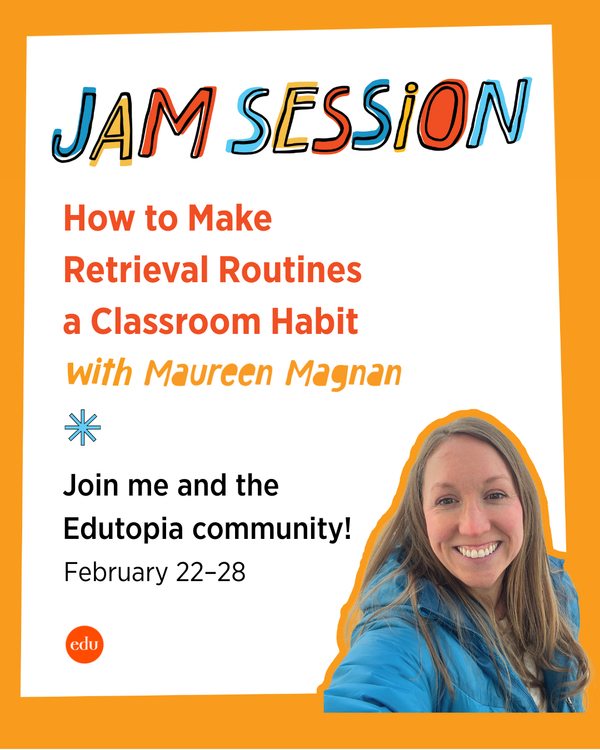
Stop treating retrieval practice as "one more thing." Join us and Maureen Magnan on Edutopia to explore low-prep strategies that make retrieval a natural, daily classroom routine.
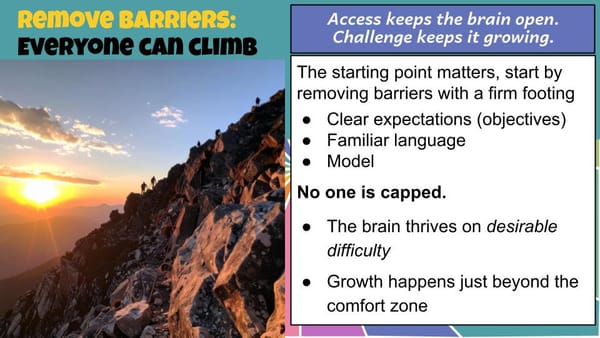
Students disengage before the lesson even starts — not because the work is too hard, but because cognitive overload has already shut down their working memory. Here are the practical moves that clear the path.