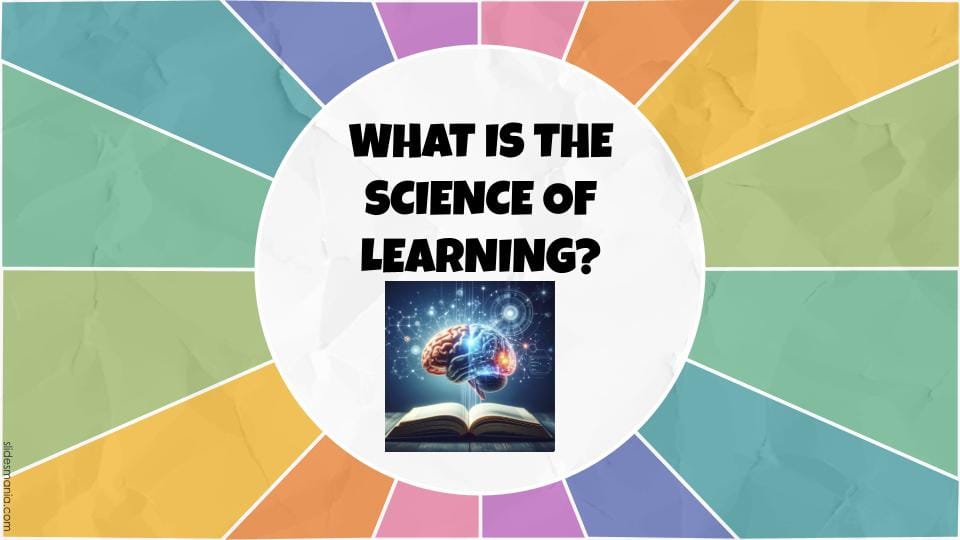
What is the Science of Learning?
Retrieval practice strengthens memory and learning by helping students actively recall information. Discover practical classroom strategies that work.
Most of us become content teachers because we love the subject matter that we teach. But loving our content (for me, it's language) and teaching it are two very different things.
For years, I felt like something was missing. I had taken countless methods courses, SLA classes, education courses, and participated in professional development sessions galore. Yet when I stepped into the classroom with all this knowledge, I noticed a huge gap. I understood how my content area and pedagogy work and had ideas coming out of my ears, but I didn’t fully understand how the brain learns them. I could provide rich input for students… but I didn’t always know how to help that knowledge stick in s minds.
That gap between what we teach and what students remember is exactly where the science of learning becomes powerful (Willingham, 2009; Bransford, Brown, & Cocking, 2000).
How Learning Works
Learning isn’t passive; students build understanding by connecting new ideas to what they already know (Bransford et al., 2000). The brain has some limits, but a few core principles can help students learn more effectively.
Cognitive Load
Our working memory can only hold so much at once. When students are overwhelmed with too many new words, unclear directions, or cluttered screens, they retain less (Sweller, Ayres, & Kalyuga, 2011). Teachers can support learning by reducing the cognitive load:
- Breaking information into manageable chunks
- Modeling tasks step by step
- Providing clear routines and scaffolds
Prior Knowledge
New ideas stick best when they connect to something students already know. Before introducing a new unit, activate background knowledge with:
- Images or maps to provide context
- Short stories - make students laugh, feel surprised, or even a little gross! Emotional responses trigger the release of dopamine and adrenaline, which strengthen memory pathways and make learning more likely to stick long-term!
- Offering quick prompts in the target language to spark thinking and engagement
By linking new learning to familiar concepts, and engaging students emotionally, they are more likely to understand, remember, and apply what they learn (Bransford et al., 2000).
Addressing Common Myths
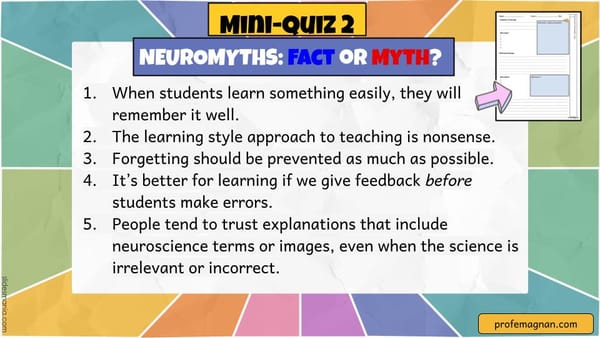
A big part of learning science is unlearning what doesn’t help. Many popular ideas about the brain are myths, and holding on to them can distract from strategies that really work.
- Learning styles: Students may have preferences, but teaching to “visual vs. auditory learners” doesn’t improve outcomes. Use multiple modalities instead (Pashler, McDaniel, Rohrer, & Bjork, 2008).
- Left-brain/right-brain: Both hemispheres work together for almost everything, including language, so no need to overemphasize “creative right” or “logical left” lessons.
- 10% brain myth: We use far more than 10% of our brains. Memory and learning rely on networks across the whole brain, not a tiny fraction.
Letting go of these myths frees teachers to focus on strategies that actually make a difference, helping students learn more effectively and confidently.
Emotion, Motivation, and Belonging
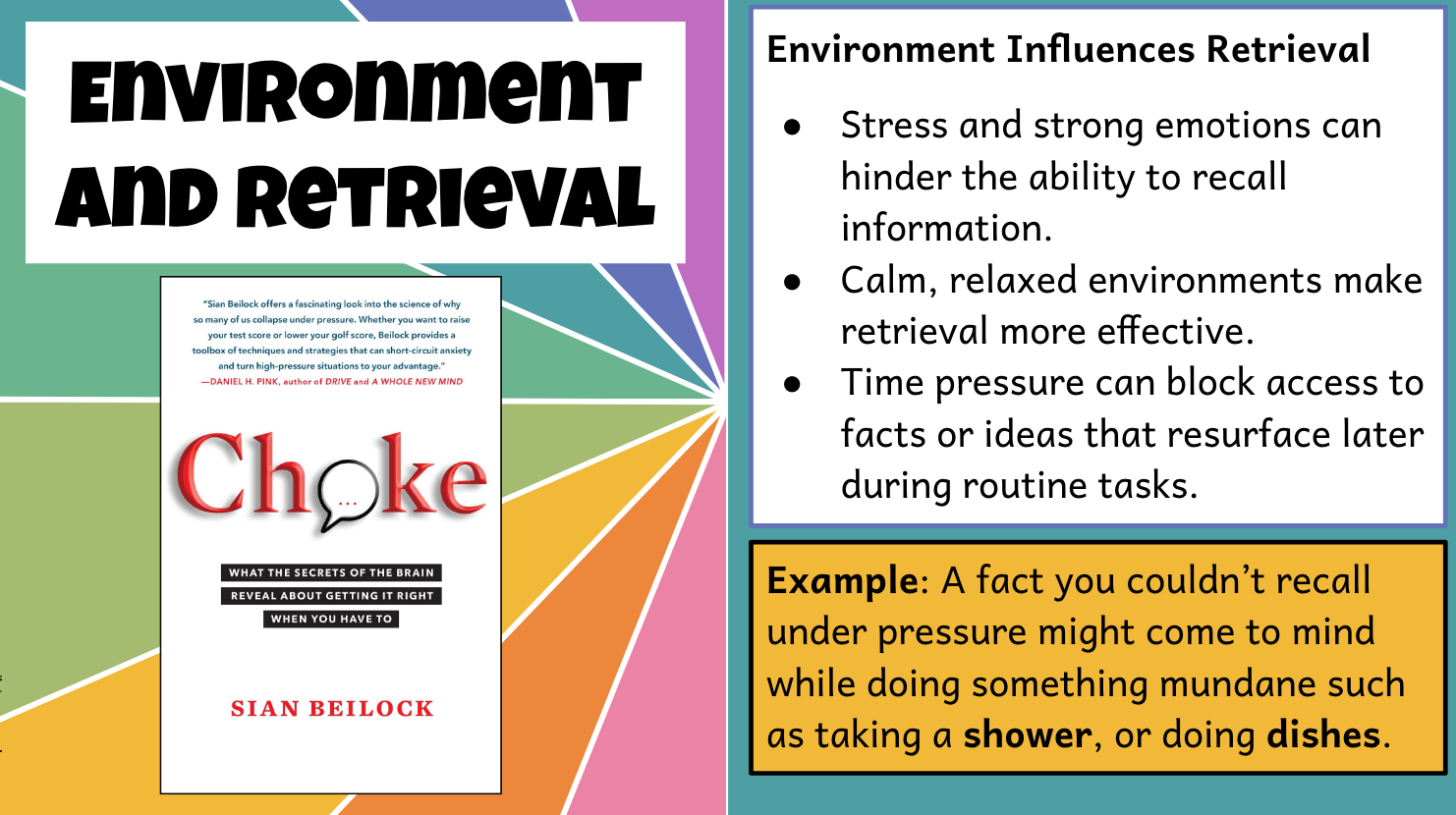
Learning isn’t just cognitive; it’s emotional. Stress, anxiety, and fear block learning, while connection and belonging open the door.
Students learn more when they:
- feel safe to take risks
- see the relevance of what they’re learning
- experience autonomy and choice
- view mistakes as part of the process
Building community isn’t extra; it’s foundational.
Sleep, Movement, and Well-Being
Sleep consolidates memory. Movement improves focus, mood, and attention. These factors matter deeply in language classrooms, where students need sustained attention for both input and output (Ratey & Hagerman, 2008).
Tips: Include intentional pauses, movement-based activities, reminders about sleep, or quick stretching between tasks.
Why This Matters for Language Teachers
At its heart, the science of learning helps us answer the questions that matter most:
- How do students acquire and retain language?
- Why do some things “stick” while others disappear?
- How can we reduce overwhelm and increase engagement?
- How do we support long-term, meaningful proficiency?
Understanding how the brain learns doesn’t replace our artistry as a teacher, but it strengthens it. As Daniel Willingham writes:
“The more we know about learning and how it works, the more likely we will be able to make it happen.” (2009)
When we design classroom experiences with learning science in mind, we honor both the research and the real humans sitting in front of us.
References
- Bransford, J. D., Brown, A. L., & Cocking, R. R. (2000). How people learn: Brain, mind, experience, and school. National Academies Press.
- Immordino-Yang, M. H., & Damasio, A. (2007). We feel, therefore we learn: The relevance of affective and social neuroscience to education. Mind, Brain, and Education, 1(1), 3–10. https://doi.org/10.1111/j.1751-228X.2007.00004.x
- Pashler, H., McDaniel, M., Rohrer, D., & Bjork, R. (2008). Learning styles: Concepts and evidence. Psychological Science in the Public Interest, 9(3), 105–119. https://doi.org/10.1111/j.1539-6053.2009.01038.x
- Ratey, J. J., & Hagerman, E. (2008). Spark: The revolutionary new science of exercise and the brain. Little, Brown and Company.
- Sweller, J., Ayres, P., & Kalyuga, S. (2011). Cognitive load theory. Springer.
- Willingham, D. T. (2009). Why don’t students like school? A cognitive scientist answers questions about how the mind works and what it means for the classroom. Jossey-Bass.