A Door for Every Shape
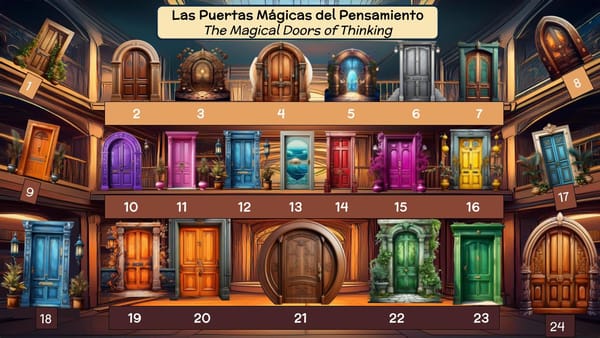
What if the barrier was never the learner, but the design? A three-part UDL lesson that gets students thinking about how we build spaces that work for everyone, starting with a round door and a room full of shapes.
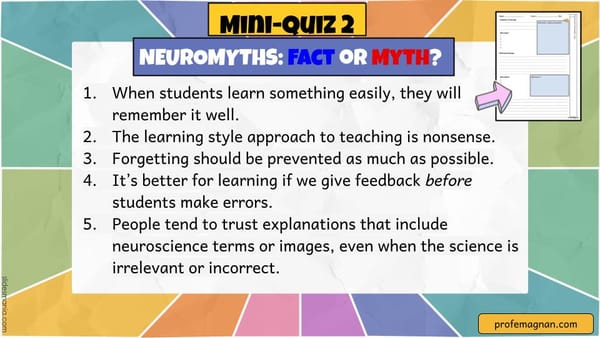
From learning styles to "easy means learned," these five teaching myths feel true — but the research says otherwise. Here's what cognitive science actually proves, and simple classroom strategies that work.
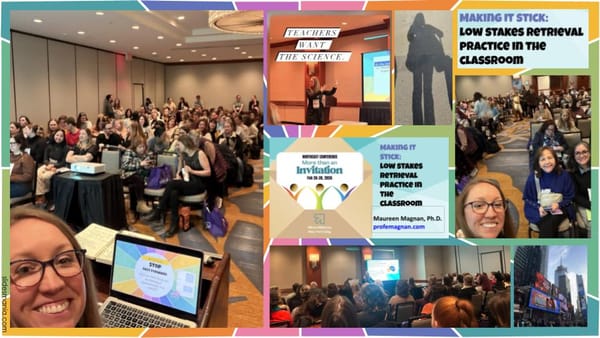
What if forgetting isn't the problem — it's the setup? A recap of my NECTFL session on retrieval practice, spaced learning, and why the struggle to remember is exactly where learning happens.
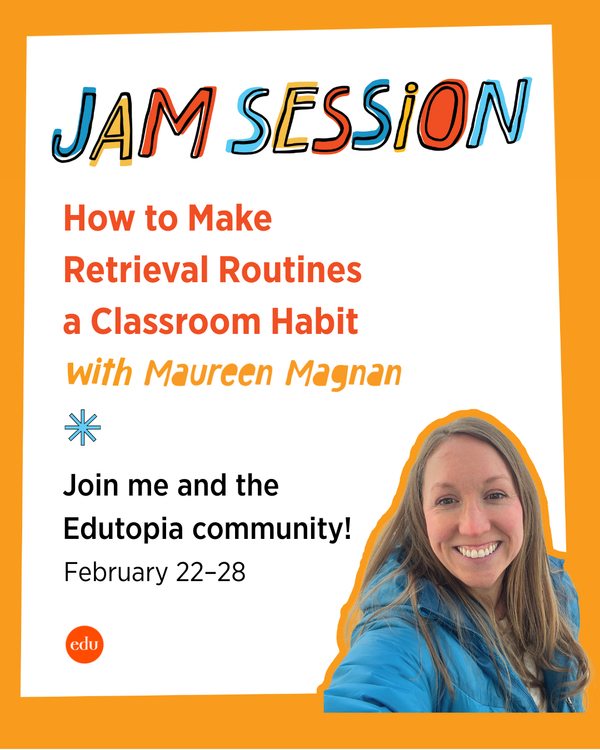
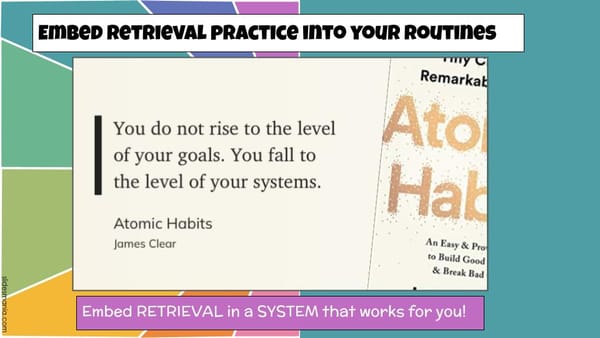
Stop treating retrieval practice as "one more thing." Join us and Maureen Magnan on Edutopia to explore low-prep strategies that make retrieval a natural, daily classroom routine.
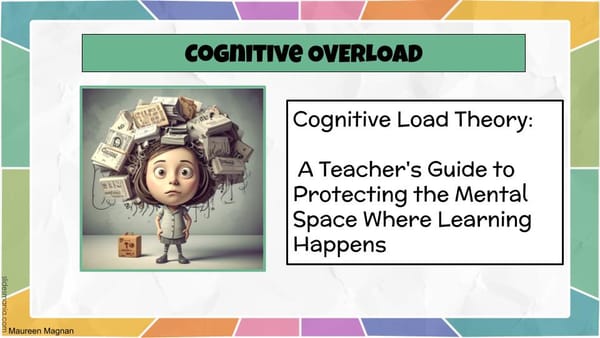
Students disengage before the lesson even starts — not because the work is too hard, but because cognitive overload has already shut down their working memory. Here are the practical moves that clear the path.
The lesson was solid. Students still froze. It's not apathy it's cognitive overload. 10 strategies to reduce it without lowering rigor
In a world of constant noise and overload, the pause is a powerful teaching tool. Discover how intentional pausing creates clarity, reduces cognitive overwhelm, and deepens student learning.
Make metacognitive reflection a daily habit using quick retrieval practice routines that help students strengthen memory, deepen understanding, and build real learning awareness.
Metacognitive reflection helps students understand how they learn and strengthen learning over time. When reflection is built into instruction and designed through a UDL lens, students use feedback and retrieval to build confidence, reduce anxiety, and learn more independently.
Make the start of class count with intentional warm-ups that lead into retrieval practice. Learn how purposeful beginnings boost engagement, memory, and student readiness for deeper learning.
Retrieval practice is one of the most effective ways to strengthen memory and learning. Discover how bringing information back to mind improves long-term retention and supports student success.
Retrieval practice strengthens memory and learning by helping students actively recall information. Discover practical classroom strategies that work.
Universal Design For Learning
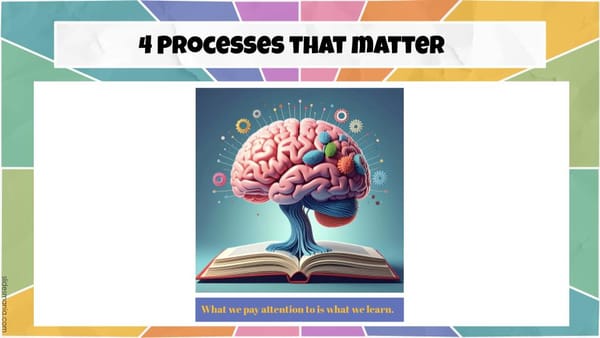
Brain-based learning doesn’t have to be complicated. Discover four key cognitive processes—attention, encoding, storage, and retrieval—that help students learn, remember, and succeed.
Universal Design For Learning
UDL helps language teachers design instruction for learner variability with intention. Explore practical strategies that build access, choice, and confidence while maintaining rigor and target language use.
Listening is more than hearing words. Discover how teachers can help students listen deeply with empathy, presence, and intention—strengthening classroom connection and meaningful communication.
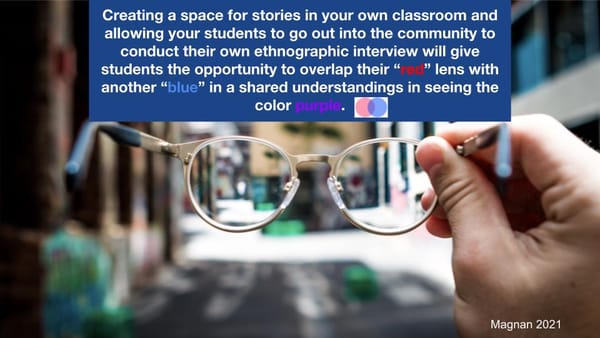
"The whole study is the power of eliciting people’s stories," says Dr. Maureen Lothrop Magnan '20. Dr. Magnan, a Spanish teacher and language coordinator for Sharon Public Schools, strives for empathy through active listening for challenging attitudes towards speakers of other languages. Spanish teacher Dr. Maureen